How to Choose the Right Tesla Paint Shop Template by Model and Year
Choose the correct Tesla Paint Shop template by model, year, and body variant, including legacy and 2024+ Model 3, 2025+ Model Y, Performance, Plaid, and Model Y L.
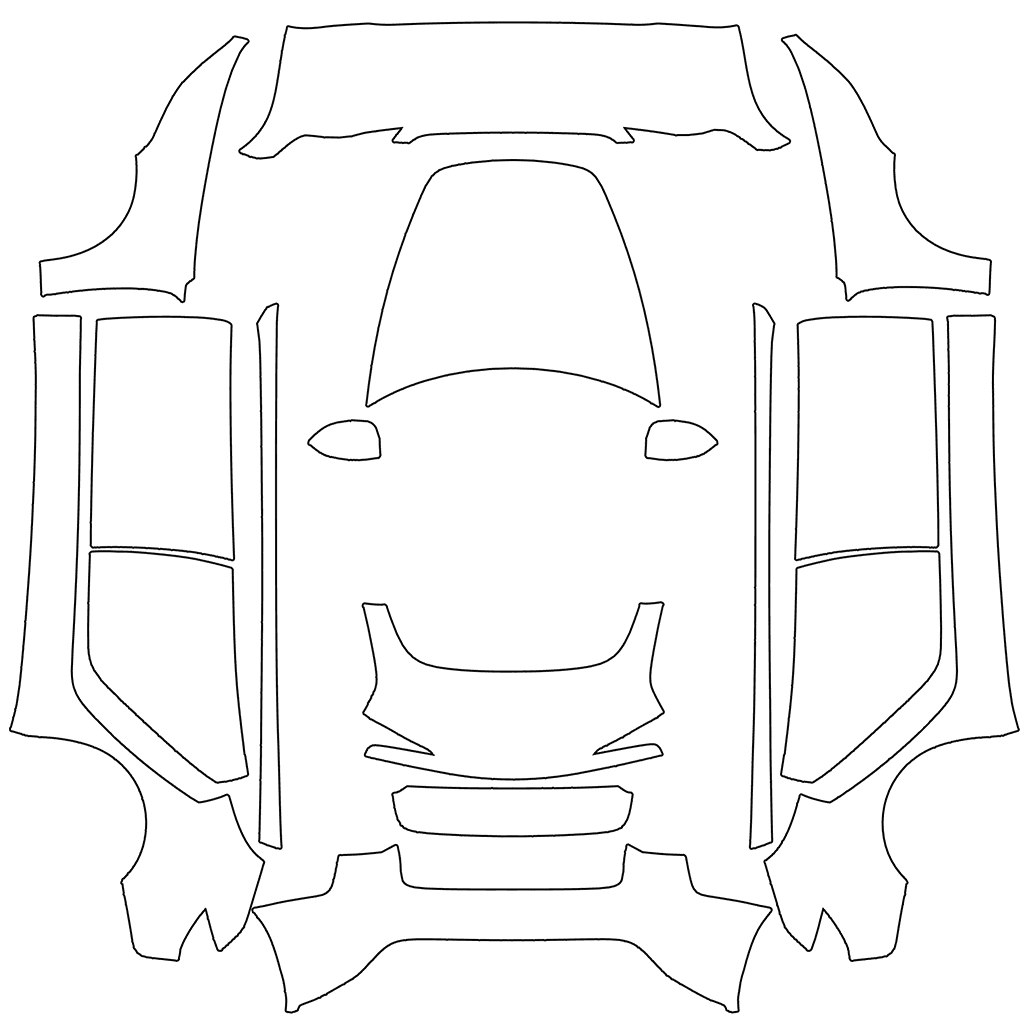
A Paint Shop template is not a square image that can be reused across vehicles. It records where a specific vehicle's surfaces sit on a flat canvas. A different model, model year, or variant can change how bumpers, doors, the liftgate, and other regions are mapped.
The first decision is therefore the body template, not the graphic. You can replace a design later, but import settings cannot repair artwork built on the wrong body map.
Evidence scope: this article is a desk review of Tesla's public manuals and template files. It does not claim an in-vehicle test unless one is explicitly documented.
Key takeaways
- Confirm the vehicle first, then its model year and exact variant.
- Do not reuse a legacy Model 3 template for a 2024+ vehicle by default.
- For 2025+ Model Y templates, distinguish Standard, Premium, and Performance where listed.
- Run the first import with the blank template for that same variant as a control.
Why a successful import does not prove template fit
A successful PNG import confirms that the file format, filename, and storage path passed their checks; it does not independently establish that the canvas matches the vehicle variant. Test the body map as a separate variable by starting from the official directory matching the full vehicle label and preserving its canvas and transparency.
Check the blank template first, then compare the designed copy across the doors, bumpers, and liftgate in 3D. This separates the import path, template selection, and image editing into three distinct checks.
How Tesla separates its current public templates
Tesla's custom-wraps repository separates files by body version. In addition to Cybertruck, Model 3, Model Y, Model S, and Model X, it lists several model-year and performance variants.
- Model 3: legacy, 2024+ Standard / Premium, and 2024+ Performance; owners often call the 2024+ refresh Highland.
- Model Y: legacy, 2025+ Standard, 2025+ Premium, 2025+ Performance, and Model Y L; the 2025+ refresh is often called Juniper.
- Model S: 2021+ and 2025+ Plaid.
- Model X: the current public directory includes a 2021+ version.
- Cybertruck: uses its own dedicated body template.
Check these details before downloading
If you are unsure which directory matches the vehicle, do not guess from appearance alone. Confirm the vehicle, production or model year, and variant in the vehicle information or order details, then compare the complete template label.
- Record the complete vehicle name, not only Model 3 or Model Y.
- Check whether it belongs to a refresh year and whether it is Standard, Premium, Performance, or Plaid.
- Inspect the blank template outline before choosing a finished design.
- Keep the original blank file unchanged as the master for future work.
Separate fit problems from import problems
Start with one blank file for the exact variant. After it imports successfully, build the designed version from a copy of that same body map. If the blank file also fails to import, return to image requirements, folder placement, and USB format.
This control test is more useful than changing the USB drive, filename, and export settings at the same time because each step isolates one variable.
Frequently asked questions
Can Standard and Performance versions share one template?
Do not assume they can. Tesla provides separate directories for some Standard, Premium, and Performance variants, so use the one matching the complete vehicle version.
Can I choose a template from the purchase year alone?
The purchase year may not match the production or refresh year used by the template. Confirm the actual vehicle information and compare it with Tesla's directory.
Does a misplaced image always mean the vehicle template is wrong?
No. Resizing, cropping, or changing the canvas can also cause misalignment. Compare the design with the untouched blank template to isolate the cause.
Sources
Product features, file requirements, and vehicle directories are sourced from Tesla's first-party material where available. The interface may vary by region, configuration, and software version.
Template and Paint Shop content
Checks content against Tesla's public material, vehicle templates, and the site's real workflow without inventing individual expert identities.
Start with the correct body map
Open the matching vehicle page, download the blank PNG, and then compare finished designs.
Continue reading
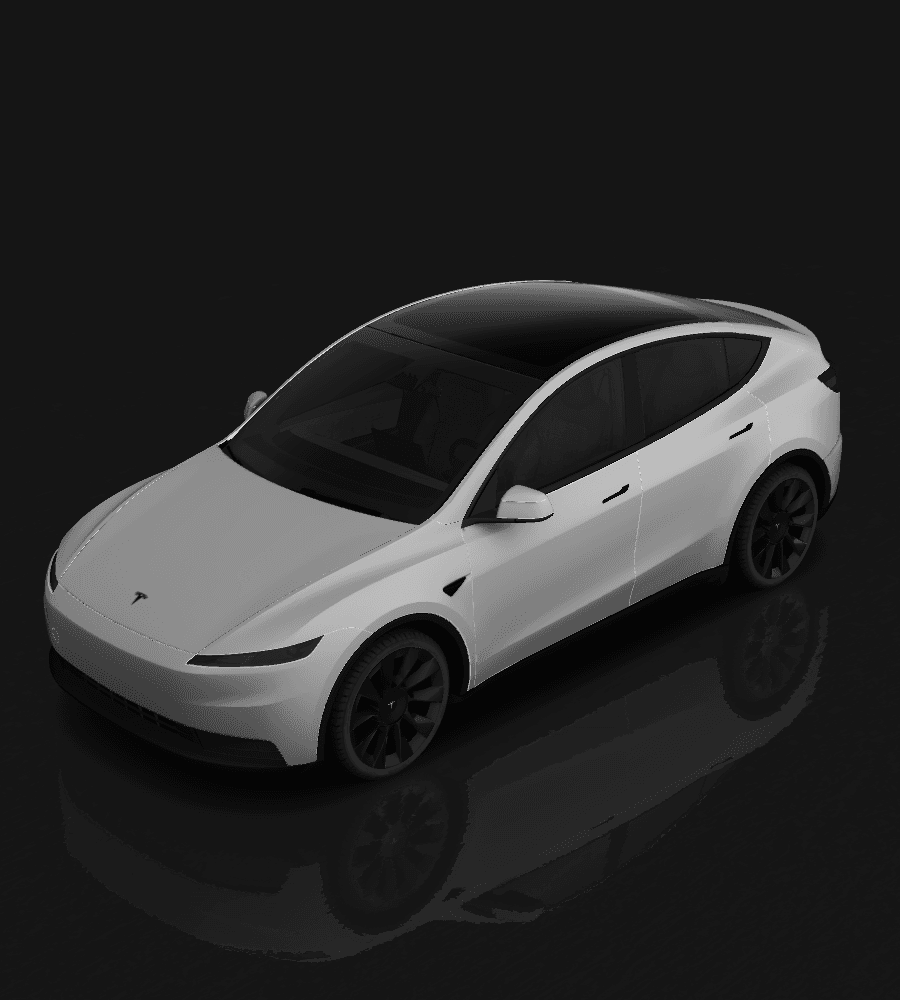
Which Model Y Juniper Paint Shop Template Should You Use?
Tesla publishes separate Paint Shop directories for legacy Model Y, 2025+ Standard, Premium, Performance, and Model Y L. Use the full vehicle variant to choose the correct wrap PNG body map.
Read article: Which Model Y Juniper Paint Shop Template Should You Use?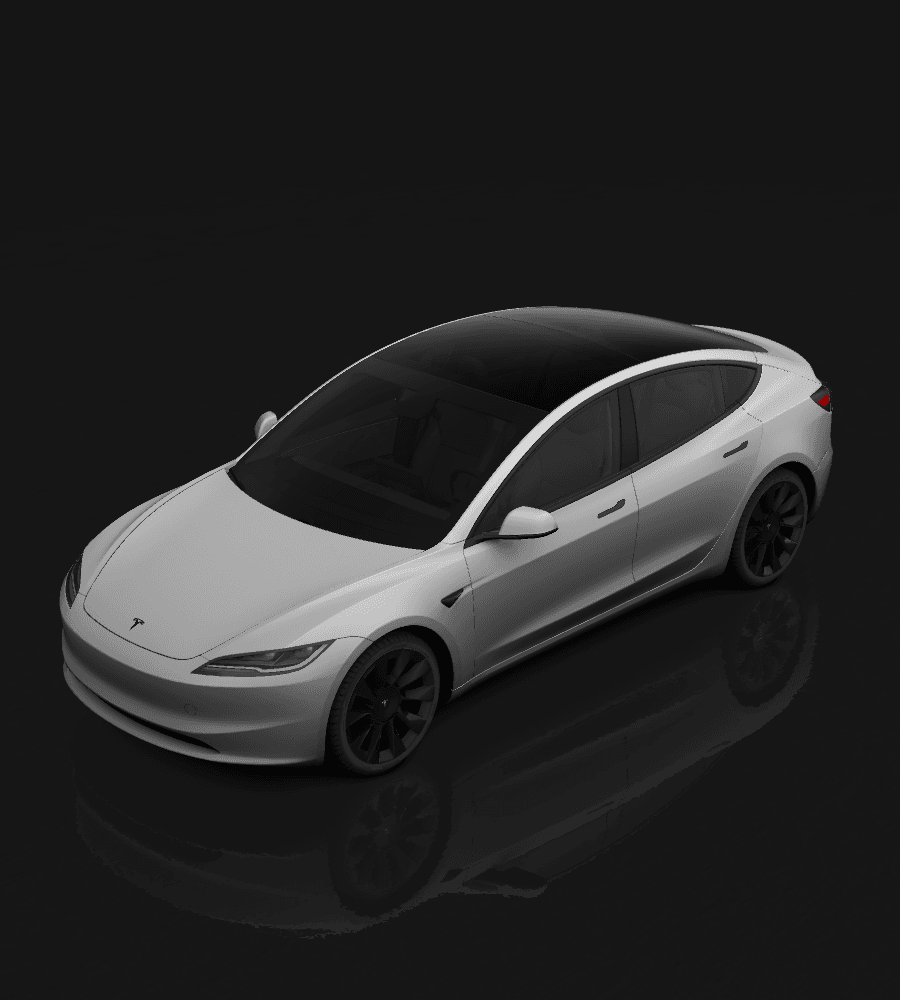
Which Tesla Model 3 Highland Paint Shop Template Should You Use?
Tesla separates legacy Model 3, 2024+ Standard and Premium, and 2024+ Performance into different Paint Shop template directories. Learn how to identify the right body map before editing a wrap PNG.
Read article: Which Tesla Model 3 Highland Paint Shop Template Should You Use?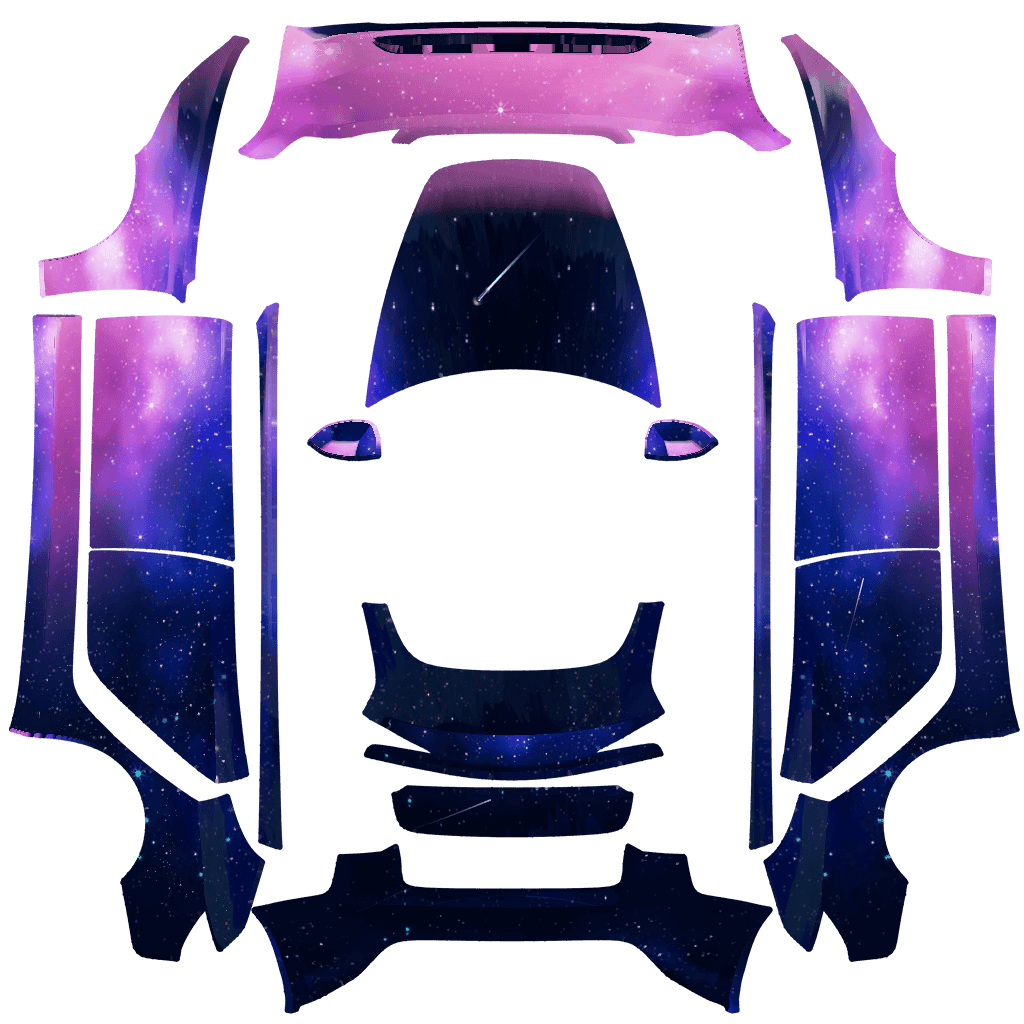
How to Design a Tesla Paint Shop Wrap That Reads Across Body Panels
Design a clearer Tesla Paint Shop wrap by working with panel seams, graphic scale, color contrast, the original template canvas, and multi-angle 3D preview checks.
Read article: How to Design a Tesla Paint Shop Wrap That Reads Across Body Panels
What Is Tesla Paint Shop? Digital Wraps, Templates, and Physical Wraps
Tesla Paint Shop changes the 3D vehicle shown on your touchscreen, not the physical car. This introduction explains digital wrap PNGs, model templates, and feature availability.
Read article: What Is Tesla Paint Shop? Digital Wraps, Templates, and Physical Wraps